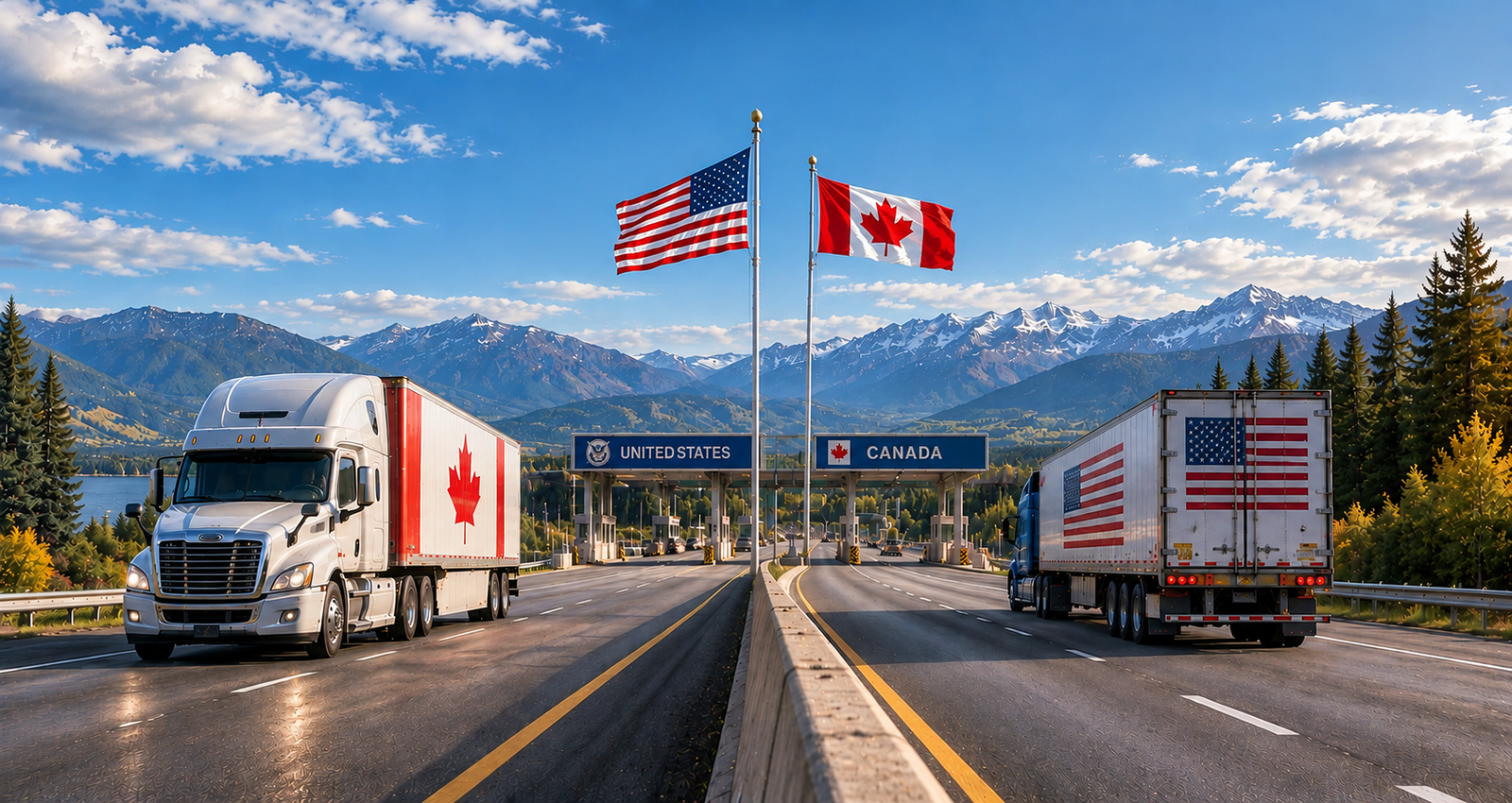
If your ecommerce brand sells to customers in Canada, there is an important change coming on September 8, 2026. But there is no reason to panic or stop selling north of the border.
Canada is introducing new counter tariffs on certain goods originating in the United States. Depending on the product, the additional tariff can be 15%, 25%, or 50%.
For ecommerce brands, the important thing now is to understand whether your products are affected and make any necessary adjustments before your next Canadian orders ship.
Already have orders on the way? Canada says goods that are already in transit to Canada when the new tariffs take effect are not subject to these counter tariffs.
Shipping From the U.S. Does Not Necessarily Mean U.S. Origin
This is one of the most important points to understand.
The new tariffs are based on a product’s country of origin, not simply the country from which the package is shipped.
For example, an ecommerce company might manufacture a product overseas, import it into the United States, store it at a U.S. fulfillment center, and then ship an order to a customer in Canada.
That product is not automatically subject to the new tariff simply because the package was shipped from a U.S. warehouse.
On the other hand, a product manufactured in the United States may be affected if its specific product classification appears on Canada’s tariff list.
This distinction matters for many ecommerce brands using U.S. fulfillment centers to serve both American and Canadian customers.
Which Products Are Affected?
Canada’s new counter tariffs cover a wide range of products. For ecommerce sellers, affected goods include certain apparel, electronics and other consumer products.
But broad categories do not tell the whole story.
Two seemingly similar products can be treated differently depending on their HS classification and country of origin. Before changing your pricing or Canadian shipping strategy, determine the correct classification of the products you sell.
The Government of Canada has published the complete list of affected tariff classifications. Review the official Canadian tariff list here.
Canada has also confirmed that a tariff-remission process is available in exceptional cases, primarily where affected inputs cannot reasonably be sourced from Canadian or non-U.S. suppliers. This is generally aimed at Canadian importers rather than ordinary U.S. ecommerce sellers.
Who Pays the Additional Tariff?
This is where ecommerce brands need to think about the customer experience.
If you ship DDU, or Delivered Duty Unpaid, your Canadian customer may be responsible for paying applicable duties when the shipment arrives.
That can create an unpleasant surprise if the customer was not expecting an additional charge.
If you ship DDP, or Delivered Duty Paid, the merchant takes responsibility for the applicable duties and taxes. In that case, you should review your landed costs and make sure your pricing and checkout settings properly account for the additional expense.
Neither approach automatically means you should stop selling to Canada. The important thing is knowing the cost ahead of time and deciding how you want to handle it.
What Should Ecommerce Brands Do Now?
Start by identifying which products you currently ship to Canada.
For each one, confirm the country of origin and HS classification. Then compare that classification against Canada’s official list.
Next, review whether your Canadian orders are being shipped DDU or DDP and consider what the new tariff could mean for your customer’s final cost.
If you’re affected, you have options. Depending on your products and margins, you may decide to absorb some of the cost, adjust your Canadian pricing, modify your shipping policy, or communicate the additional charges more clearly during checkout.
The goal is not to retreat from the Canadian market. It is simply to make sure there are no surprises for you or your customers.
Cross Border Shipping Can Still Be Good Business
Changes in tariffs and customs rules are part of international ecommerce. They can require adjustments, but they do not have to become a barrier to growth.
At FlagShip Fulfillment, we help ecommerce brands navigate the practical side of shipping their orders, including international and cross border fulfillment. As carrier requirements, costs and shipping rules change, our goal is to help clients understand their options and keep their orders moving.
If you are currently shipping to Canada, or considering expanding there, now is a good time to review your setup.
Selling across the border is still an opportunity. The key is knowing the costs, planning for them, and having a fulfillment partner that will help you work through the details.